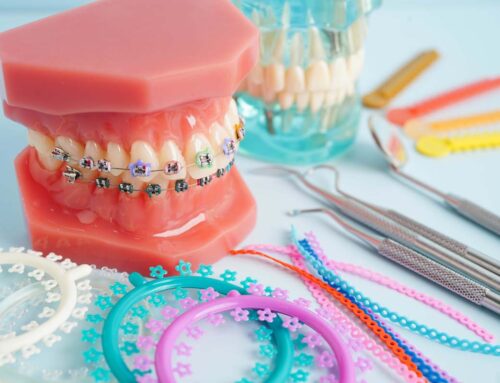

Braces and Invisalign aligners are important treatment methods that can help you achieve the smile you’ve always wanted. Unfortunately, both braces and Invisalign do come with some occasional discomfort. With braces the discomfort is usually at its worst after the initial placement of the braces and after adjustments have been made by your orthodontist. For Invisalign, discomfort is most likely to occur when you start your treatment and whenever you switch to a new set of aligners. In today’s blog we will be providing you with some handy tips to help manage your discomfort from both braces and Invisalign retainers.
Pain Relievers
Over the counter pain relievers like ibuprofen or acetaminophen can be taken to reduce the inflammation of your gums and alleviate pain caused by your treatment. You should always make sure to follow the proper dosage instructions for any medication you take.
Cold Compress
A cold compress can be used to numb the area and help reduce pain and swelling. This is particularly helpful within the first 48 hours following an adjustment or following the switch to a new set of aligners.
Saltwater Rinse
A saltwater rinse of 1 teaspoon of salt in roughly 1 cup of warm water can help you deal with the soreness in your gums and minor abrasions caused by your orthodontic devices by reducing inflammation and killing bacteria in the area. Warm Water can also help improve the circulation in your gums which can lead to faster healing of sores and cuts that can be caused by your orthodontic device.
Orthodontic Wax
Wax allows you to protect the inside of your mouth from the irritation caused by your orthodontic treatment. It does this by providing a soft, physical barrier between the soft tissue of your mouth and the harder and sharper parts of your orthodontic devices. This method works by softening the piece of wax then applying it directly to the offending area to create the barrier.
Eating Soft Foods
One of the easiest ways to prevent discomfort caused by your orthodontic devices is to stick to soft, easy to chew foods. Eating these foods instead of chewy or crunchy foods will minimize the pressure you place on your teeth and prevent discomfort. Examples of soft foods include yogurt, soup, scrambled eggs and smoothies.
Avoid Acidic Foods
Foods that are high in acid can irritate any sores or cuts caused by your orthodontic device. Examples of high acid foods include things like most fruit, foods that use vinegar for flavoring and many commercial beverages.
Put in New Aligners before bed
This tip is specific to Invisalign users, if you are going to be switching to a new aligner you should put them in a few hours before bedtime rather than the next morning. This will help you get past the initial discomfort period as your teeth will start to adjust while you sleep, you also won’t be removing your aligner to eat.
Hopefully we have been able to show you several ways you can manage the pain and discomfort that can be caused by Invisalign Aligners and Traditional Braces. If none of these methods have any effect on your pain and discomfort you should contact your orthodontist immediately.
The Hicks orthodontic practice has been around for over 40 years, with Bryan Hicks taking over for his father. Dr. Hicks works hard to give his patients extraordinary outcomes from their orthodontic treatment.
If you have any questions about this article or need to talk to someone in the office, give us a call at (604) 922-0111.