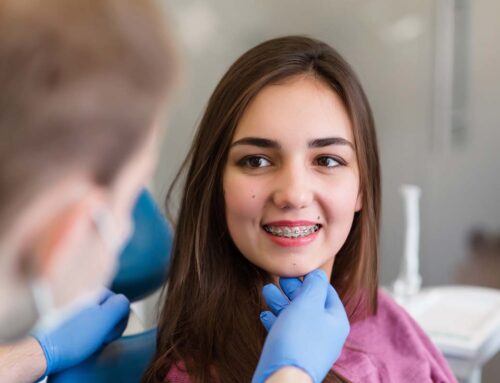

Orthodontic treatments have considerably evolved in the last 50 years, and there are many more options available today than there used to be. Teens are often orthodontic patients, so we wanted to give you some information on what you and your teen can expect today from orthodontic treatment.
Timeline
Teeth move in predictable ways. This means that following your dentist’s instructions is important, and the treatment period will be easier and faster with a cooperative patient. Kids that regularly eat foods that they are not supposed to or chew on hard things like pens, will break brackets (that need replacing) and require a longer treatment time period.
Pain
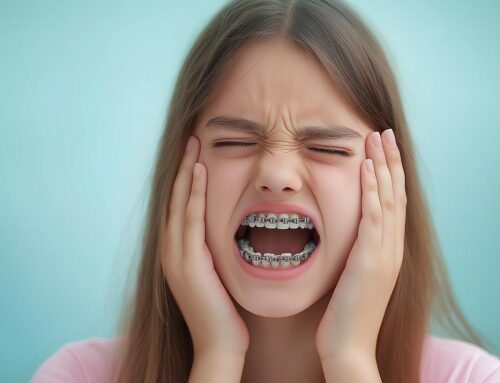
Braces do not hurt. Sometimes there is some mild discomfort in the beginning when teeth first start to move, but otherwise the whole process is painless. The patient gets used to the braces and soon forgets that he or she has them on. If your teen is experiencing discomfort, talk to your orthodontist.
Keeping Teeth Clean
Keeping teeth clean has never been more important than during the time when a child wears braces. Tooth decay and cavities can pose several problems for the child wearing braces, so it is very important that teens adopt good teeth brushing and flossing habits early on in the orthodontic process.
Traditional Braces vs. Invisalign
Both traditional braces and Invisalign-type orthodontic treatment have pros and cons. Invisalign is less visible to the naked eye, but since you remove them to eat, it is easy to lose them. Invisalign is also not suitable for every case. The more challenging orthodontic cases require traditional braces.
Orthodontics are a rite of passage for many school-age teens. Most kids only wear them for a couple of years. If you have any questions about orthodontic devices and orthodontics, please feel free to contact us or make an appointment so we can discuss your options.
The Hicks orthodontic practice has been around for over 40 years, with Bryan Hicks taking over for his father. Dr. Hicks works hard to give his patients extraordinary outcomes from their orthodontic treatment.
If you have any questions about this article or need to talk to someone in the office, give us a call at (604) 922-0111.